Whether you’re giving your living room a facelift or refreshing the façade of your Amsterdam canal house, nothing transforms a space quite like a fresh coat of paint. Yet, achieving a flawless finish takes more than just a brush and paint can. We spoke with an experienced Painter Amsterdam to compile pro insights every homeowner should know before picking up a roller. These tips are designed to elevate your next painting project—making the process smoother, quicker, and far more satisfying.
1. Don’t Skip Surface Preparation
When it comes to painting, preparation is key. Professional painters know that the final result depends largely on what happens before the first stroke of the brush. Start by inspecting your surfaces for cracks, dents, or peeling paint. Scrape and sand any problem spots and patch holes with filler. Wash the walls to remove dust, grease, or mildew, especially in kitchens or bathrooms where build-up is common. Only once the surface is clean and smooth should you begin applying primer or paint.
2. Choose the Right Paint for Each Space
Not all paint is created equal, and the type you choose should depend on the space and its function. While matte finishes are beautiful for walls and ceilings, they’re not always practical for high-traffic areas, which benefit from semi-gloss or satin finishes that are easier to clean. Kitchens and bathrooms, where moisture is a concern, call for mold-resistant paint formulations. Outside, choose weather-resistant, UV-stable paints that can handle Amsterdam’s sometimes rainy climate.
3. Invest in Quality Tools
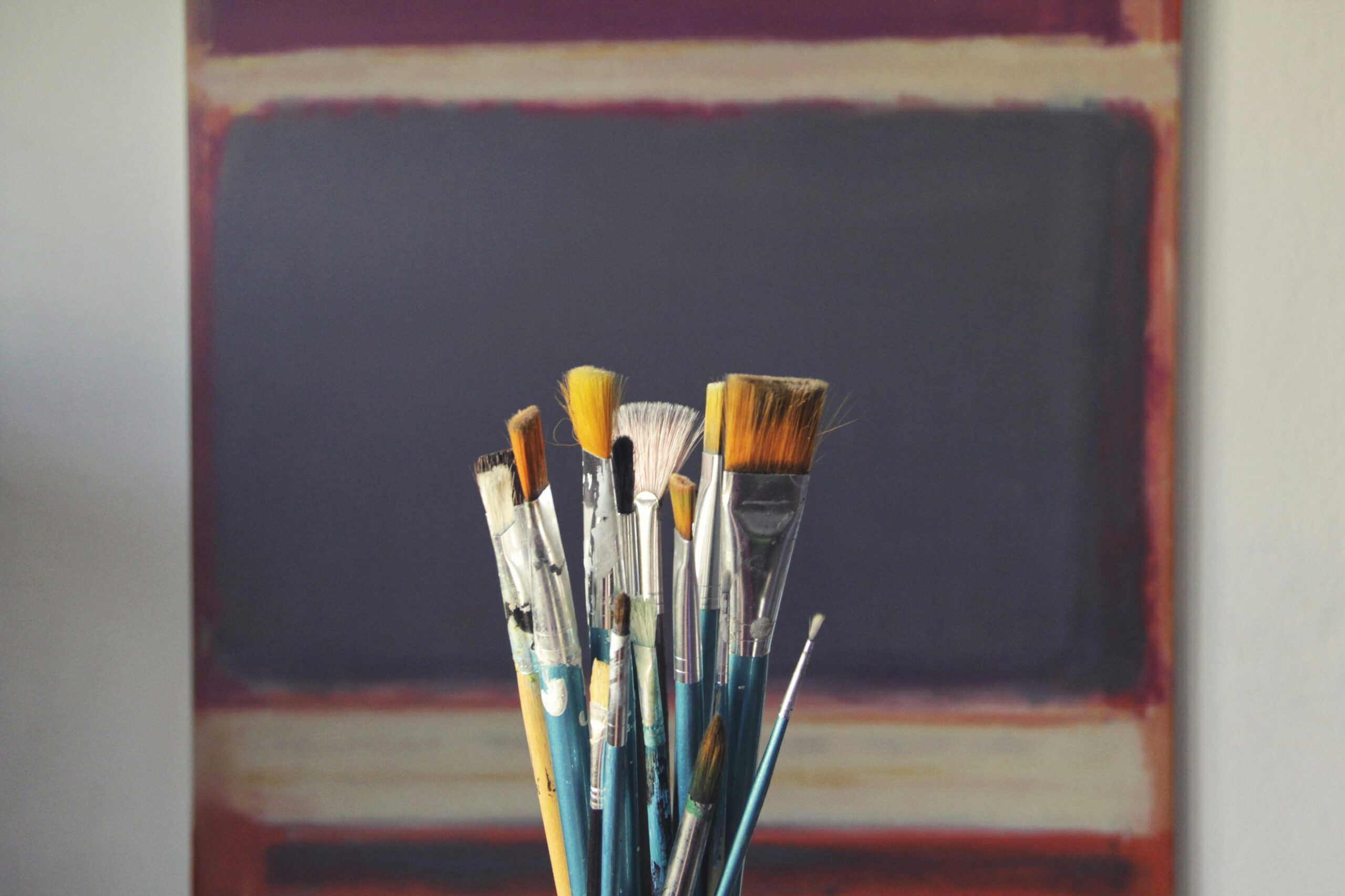
Using high-quality brushes, rollers, and tape can make a significant difference in application and finish. Cheap brushes tend to shed bristles and provide poor coverage, which leads to frustration and an uneven look. Invest in a sturdy ladder for ceiling and upper wall areas, and always use painter’s tape to obtain crisp, clean lines around edges and trim. A pro painter will always use tools that correspond to the type of paint and surface being treated—soft bristles for delicate work, firm rollers for textured walls, and so on.
4. Never Underestimate Primer
A common DIY mistake is skipping the primer. Primer creates a base for your paint to adhere to, especially on porous or uneven surfaces like plaster or wood. It can also block stains and reduce the number of paint coats you’ll need. If you’re painting over dark colors or switching from oil-based to latex paint, a good primer is absolutely essential for proper adhesion and color vibrancy.
5. Mind the Weather (Yes, Even Indoors)
Humidity and temperature can affect how paint adheres and dries. Weather conditions are especially relevant for exterior projects, but can also impact interior ones. Painting during a humid Amsterdam summer day can delay drying time and lead to streaks or patchiness. When possible, maintain a stable room temperature and humidity level by using fans or dehumidifiers. Open windows for ventilation, but avoid strong cross-breezes that might stir up dust.
6. Test Colors Before You Commit
Lighting has a profound impact on how colors appear, changing hues subtly over the course of a day. Instead of relying solely on sample swatches or catalogs, paint a small section of the wall and observe it under different lighting conditions—natural daylight, evening light, and artificial interior lighting. This offers a more realistic impression and helps to avoid costly color regrets.
7. Allow Ample Drying and Curing Time
A common misconception is that once paint feels dry, it’s ready for use. In reality, paint often requires a full 24-72 hours to cure properly. Avoid placing furniture or hanging frames too quickly, as doing so might damage the finish or leave permanent marks. Be patient—it’s worth it.
8. Know When to Call in Professionals
Some painting jobs—such as those involving high ceilings, intricate trim work, or exterior façades—are best left to the pros. Hiring an experienced painting team ensures not only a polished result but also saves you time, stress, and potentially money lost on fixing DIY mishaps. If your goal is long-lasting quality and efficiency, outsourcing to a reputable company like WAM Groep can make all the difference.
Final Thoughts
Painting your space can be both revitalizing and rewarding when approached with the right knowledge and preparation. From understanding your surfaces and choosing the best paint, to appreciating the finesse of proper technique, incorporating these expert tips into your next project will help you achieve professional-level results on your own terms. And if you ever feel uncertain, the expertise of a local painting company in Amsterdam is just a phone call away.
So whether you’re refreshing a small guest room or transforming an entire property, remember: great painting isn’t just about what you see—it’s about the care, precision, and expertise that lies beneath each coat.