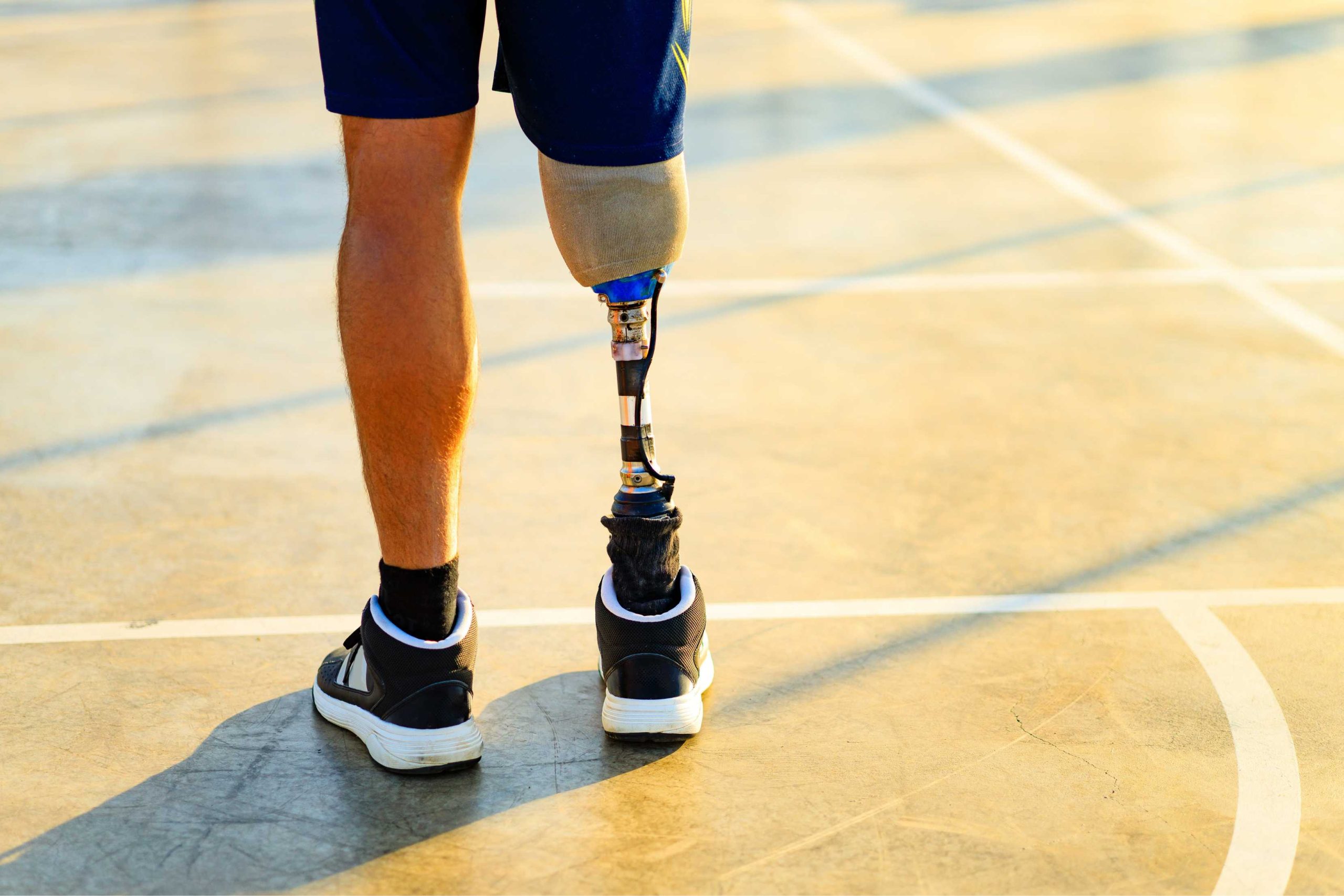
Targeted Muscle Reinnervation (TMR) is a transformative surgical technique that significantly enhances the functionality of prosthetic limbs for individuals who have undergone amputations. This innovative approach is tailored to improve the control and comfort of prosthetic devices, making it an essential consideration following primary amputations. By rerouting remaining motor nerves to redundant muscles, TMR allows for more intuitive control of prosthetic limbs, thereby greatly improving an amputee’s quality of life. Further details on this procedure can be explored here. If you are considering amputation or have recently become an amputee, understanding the benefits and process of TMR could be crucial for your rehabilitation and long-term well-being.
Understanding the basics of targeted muscle reinnervation
Targeted Muscle Reinnervation involves rerouting nerves that once controlled the amputated limb to other, unused muscle areas. During this surgical procedure, these nerves are carefully connected to small sections of muscle that no longer have a primary function due to the amputation. This redirection allows these nerves to continue transmitting signals, which can then be used to control a prosthetic limb. The reinnervated muscles generate electrical signals when the brain attempts to move the amputated limb, and these signals are detected by sensors in the prosthetic device. This clever utilization of existing nerves makes prosthetic control much more natural and intuitive, which can significantly ease the adaptation process for new amputees.
Benefits of TMR following primary amputation
Undergoing TMR during primary amputation can lead to several important benefits. The procedure has been shown to effectively reduce the occurrence of phantom limb pain and neuromas—painful conditions often experienced by amputees. Phantom limb pain is a sensation of pain that feels like it’s coming from the body part that’s no longer there, while a neuroma is a painful growth of nerve tissue that can develop at the site of the amputation. By providing new pathways for the severed nerves, TMR helps in mitigating these common post-amputation complications. Additionally, early implementation of TMR prepares the patient for a more sophisticated prosthetic attachment, which can be instrumental in a smoother and more successful rehabilitation.

How TMR enhances prosthetic control and integration
The integration of TMR with prosthetic technology not only improves basic movement control but also enhances the overall functionality of the prosthetic limb. The advanced control made possible by TMR allows amputees to perform more precise and varied movements, such as gripping or fine motor tasks, which are often challenging with traditional prosthetics. This level of control can profoundly impact daily living, offering amputees the ability to engage in a wider range of activities and promoting greater independence. Enhanced prosthetic integration also helps in reducing the cognitive load for the user, as movements become more aligned with the user’s natural intentions, creating a seamless interaction between thought and action.
Through Targeted Muscle Reinnervation, the landscape of prosthetic technology and amputee rehabilitation is being redefined. This surgical technique not only addresses the immediate functional needs of amputees but also facilitates long-term adaptations that are more aligned with natural human movement. For amputees, TMR represents a hopeful pathway towards reclaiming autonomy and improving life quality post-amputation. It is a cornerstone of modern prosthetic science that bridges the gap between human intention and mechanical execution, making daily interactions more fluid and intuitive. As this technology continues to evolve and become more accessible, it promises to revolutionize the recovery process for amputees around the world.